
Weight Loss Starts in Your Mind: The Psychology Behind Real Change
If there’s one message I wish every woman could hear and believe, it’s this:
Real weight loss isn’t just about making your body smaller. It’s about creating a bigger, more fulfilling life for yourself.

For years, diet culture has convinced us that weight loss success is defined by a number on the scale. But any woman who has tried to lose weight (including myself) knows the truth: the number is only a tiny part of the story.
What really matters is how you feel.
Looking back on my own weight loss journey, I realize the biggest changes weren’t always visible. The real transformation happened on the inside: I felt more confident, had more energy, and started to believe in myself again. I noticed I was more patient with others, felt more present in my daily life, and started to feel like myself again.
And I see the same thing happen with the women I coach every single day.
One client recently told me:
“People treat me differently now, not because I’m thinner, but because I’m happier. I trust myself more. I feel more patient with my kids. And for the first time in years, I feel at home in my body.”
THIS is why weight loss matters! Not because of aesthetics, but because of alignment.
In this article, we’ll explore the psychology behind sustainable weight loss. We’ll talk about why the scale is not always the most reliable measure of progress, and the emotional, mental, and identity-based changes that happen long before someone drops a size. Most importantly, we’ll explore how to notice these shifts in your own life.
Key Takeaways
The scale tells you nothing about confidence, identity, peace, or emotional well-being.
Psychological effects of losing weight often appear before physical changes.
You build self-trust when you keep small promises to yourself.
Emotional stability, positive changes to your mood, and feeling at peace with your body and your food choices are all major signs of progress.
Real transformation is about identity and alignment - not simply numbers.
Why Weight Loss Is Never Just About the Scale
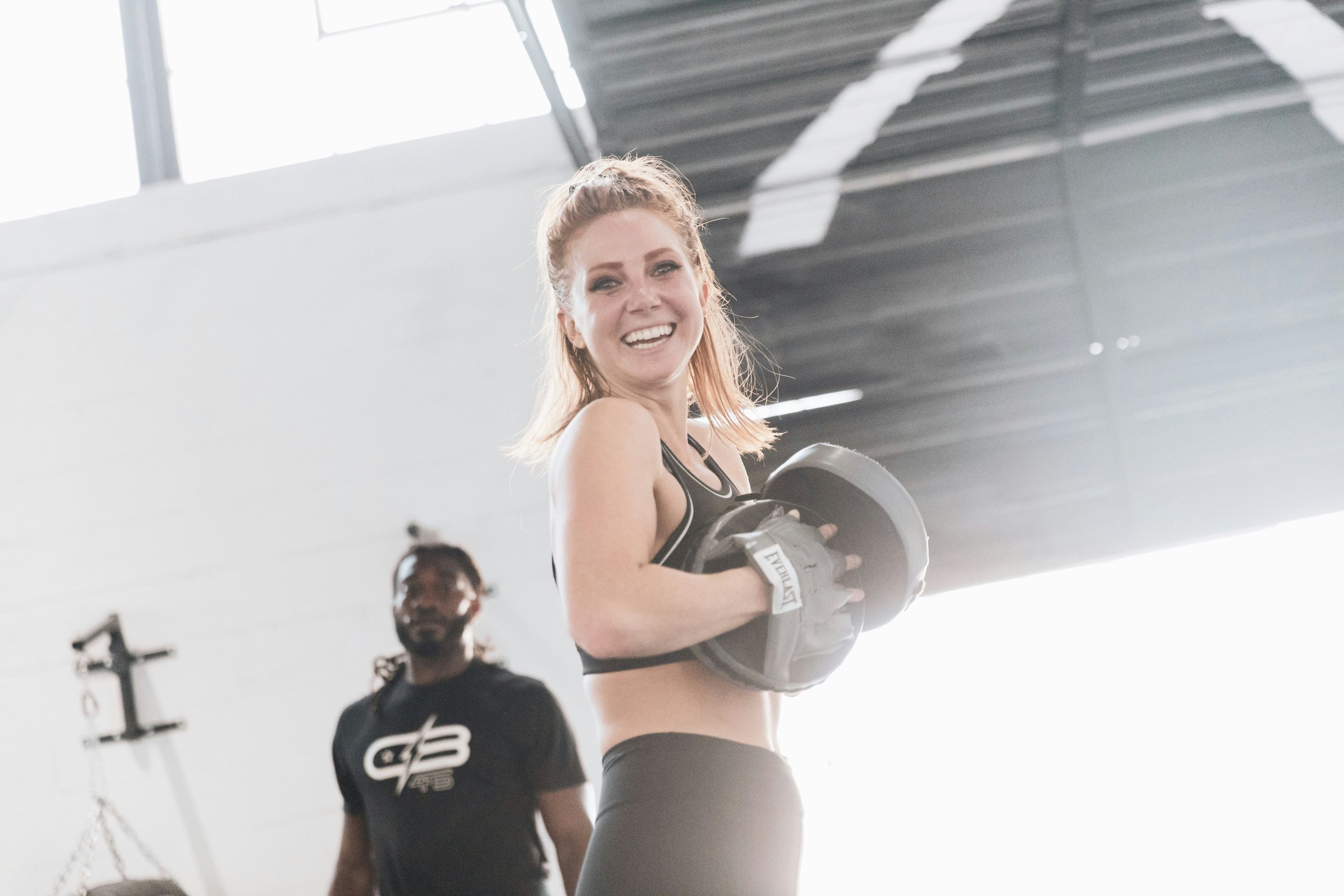
If you’ve ever stepped on the scale and felt frustrated, disappointed, or confused, you are in good company. Most women have a complicated relationship with that little number on the scale, even though it reflects many things (on top of body fat), like water retention, meal timing, hormones, strenuous exercise, stress levels, and digestion.
The truth is, the scale alone is actually one of the least helpful ways to measure real progress.
Research from Brown University suggests that weight loss is deeply psychological and emotional, not just physical. Women often experience major internal shifts, like more confidence, better emotional regulation, and improved energy, before the physical changes are even noticeable.
Here’s what the number on the scale can’t measure:
How proud you feel after following through on a new habit
The moment you choose a nourishing meal because you want to feel energized
When you stop eating out of stress because you’ve learned new coping skills
Waking up energized instead of sluggish
When you show up more confidently at work
When you look in the mirror and see yourself again
The scale can’t measure any of these things, but they are some of the best signs that you’re making real progress.
So if weight loss is never just about the number on the scale, then what is it about?
It really comes down to building your identity, growing your emotional resilience, and learning to trust yourself again.
The Psychological Effects of Losing Weight
The mental and emotional changes that come with weight loss are often just as important as the physical ones. Let’s look at some of the biggest shifts that people notice along the way.
🔥 Renewed Confidence and Self-Trust
One of the earliest signs of transformation is a quiet (but powerful) sense of self-trust. Not perfection. Not all-or-nothing discipline. Just the small, daily feeling of:
“I can count on myself!” or “I can do this!”
At Strong with Sarah, my most successful clients start to believe they can follow through, not because they’re perfect, but because they keep showing up for themselves, even when things aren’t perfect.
A client once told me:
“I feel confident not because my body changed, but because I changed. I actually trust myself again.”
Self-trust is one of the most meaningful psychological effects of losing weight. It affects every area of life:
Parenting
Career
Relationships
Decision-making
Boundaries
How a woman speaks to herself
Confidence doesn’t automatically happen when you see a lower number on the scale.
It comes from realizing: “I am becoming the person I want to be.”
😊 Mood Shifts and Emotional Stability
Healthy habits don’t just change your physical body… They also help you feel calmer and more balanced overall.
When women nourish their bodies consistently, they experience:
Better mood stability
More patience
Less guilt and shame
Reduced emotional eating episodes
Fewer reactive moments
A calmer baseline
More overall happiness
These changes happen because when you focus on nutrition, sleep, movement, and self-care, your mood and energy improve. Your blood sugar stays steadier, your hormones tend to be more balanced, and it becomes easier to handle and manage stress.
For many women, these emotional improvements are even more motivating than physical changes, because they make daily life FEEL better.
💁🏻♀️ Feeling More at Home in Your Body
This is one of the biggest emotional changes that happens when you make healthier choices, but it’s something women don’t often talk about.
So many women describe weight gain as:
Feeling disconnected from their body
Feeling like they’re living inside a version of themselves that doesn’t match who they are
Feeling like their body doesn’t reflect their identity
Wanting to hide in photos, clothes, or social situations
Losing weight in a slow, sustainable way can help you feel more connected to yourself again. Losing weight and becoming healthier isn’t about turning into a different person… It’s about coming back to who you really are.
The Emotional Transformation No Scale Can Measure

Here’s the part most women don’t understand or expect while on a weight loss journey:
Emotional transformations usually happen before physical transformations.
Before the pants fit differently…
Before the scale moves…
Before anyone else notices…
A woman becomes:
More present
More patient
More empowered
More hopeful
More confident
More connected to her goals
More aligned with her values
She starts setting boundaries with food, with people, and with stress.
She stops apologizing for prioritizing herself.
She stops tying her worth to the number on the scale.
She stops abandoning her needs to take care of everyone else.
This is the kind of transformation that changes marriages, mother-child relationships, career paths, and friendships.
The scale won’t EVER show these changes, but they are what matter most.
How to Notice Your Own Emotional Shifts
If you want to understand the psychological effects of losing weight in your own life, begin by asking yourself the right questions.
Here are a few questions that might help:
What emotions come up when I nourish my body well?
Where in my life do I feel more in control or more at peace?
When do I feel proud of myself lately?
How does movement affect my mood and patience?
Where do I feel more like the woman I want to be?
What small habits help me feel aligned with my values?
When do I notice emotional eating decreasing?
These questions help you focus less on the scale and more on the real evidence that change is happening in your life. Remember, your body is often the last thing to change. Your mindset and your feelings usually shift first.
Final Thoughts
At the end of the day, weight loss starts in your mind, often before you see any changes in your body. Feeling more confident, building self-trust, finding peace with your food choices, and feeling more like yourself are all signs you’re moving toward a healthier you. There are countless ways to measure progress that the scale can never measure, such as changing of habits, growth, confidence, energy, etc.
If you’re ready to experience both the emotional and physical transformation that comes from sustainable weight loss, you don’t have to do it alone. You deserve to feel confident, strong, and comfortable in your body, starting from the inside out.
